


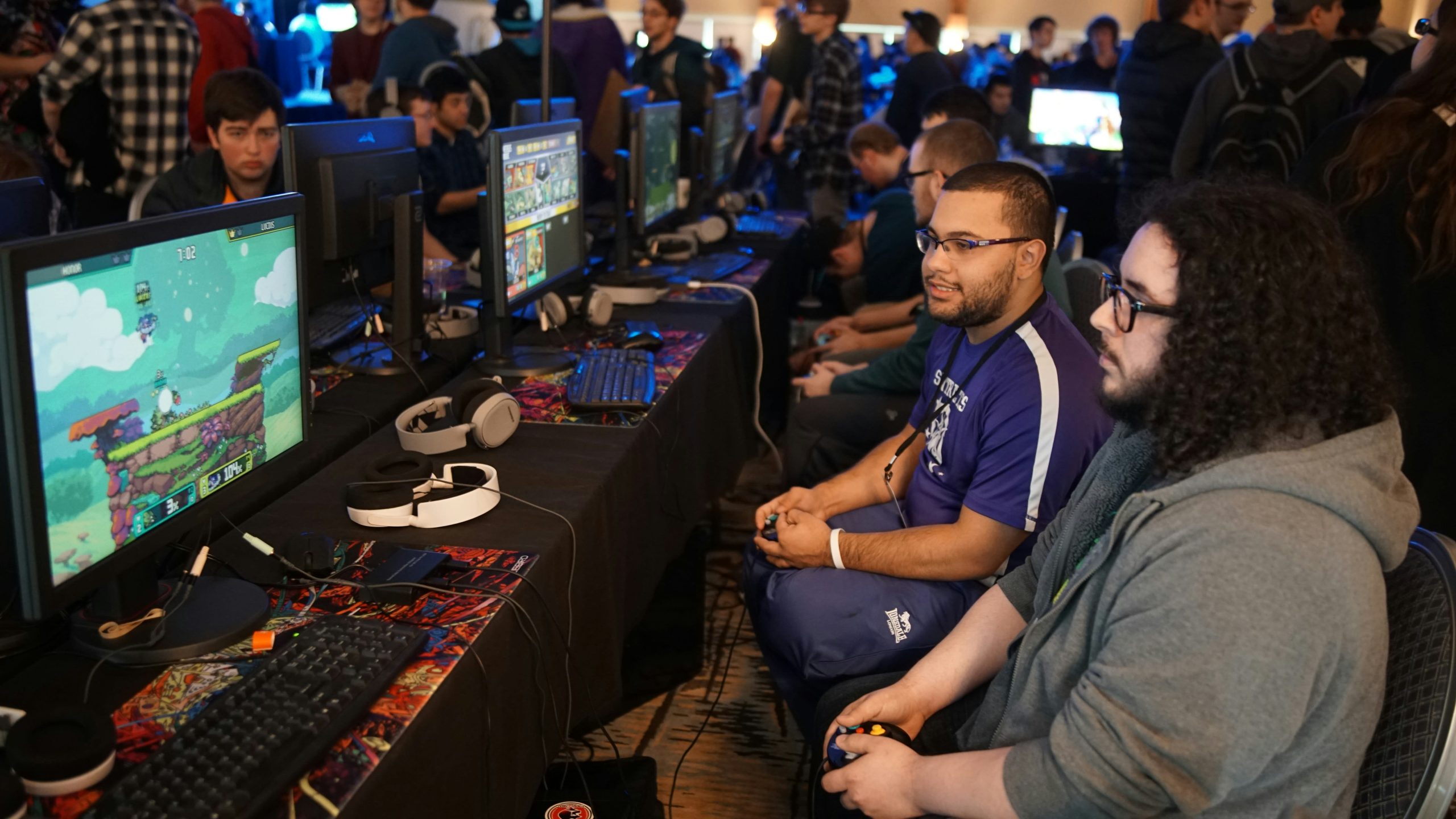
Have you ever logged into an online game and stayed longer because the people made it fun? That feeling is a big part of why online gaming stands out from many other forms of entertainment. The action on screen matters, but the shared experience often matters just as much.
Online games give people a place to cooperate, compete, chat, and build routines together. A match can be exciting on its own, but it becomes more memorable when friends celebrate a close win, laugh about a mistake, or help each other learn a new strategy. That social layer turns a simple activity into something people look forward to.
The community side of online gaming also helps explain why players return regularly. People do not just log in for progress or rewards. They return for familiar voices, group traditions, and the sense that their participation matters to others.
Why Shared Play Feels Different
At its core, community changes how play feels from one session to the next.
Real-Time Interaction Adds Energy
When people play together live, every moment feels less predictable and more personal. Teammates react on the spot, rivals adapt quickly, and chat creates a sense of movement beyond the game system itself. Even quiet moments can feel social when players know others are paying attention and responding.
People Create The Best Stories
Many of the most memorable gaming moments come from human behavior, not scripted events. A last-second rescue, an accidental mistake that makes everyone laugh, or a risky plan that somehow works can become a story a group repeats for weeks. These moments give online gaming a personality that solo play often cannot match.
How Communities Build Belonging
That social energy often grows into a real sense of connection.
Regular Groups Form Familiar Spaces
When players meet often, they start to build routines. Some log in at the same time each evening. Others gather on weekends for longer sessions. Over time, these habits create a familiar social space where people know each other’s play style, humor, and preferences. That consistency can make online gaming feel welcoming and comfortable.
Shared Goals Bring People Together
Communities often become stronger when players work toward common goals. Finishing a hard mission, planning team roles, or improving coordination gives everyone a reason to contribute. In some discussions, people even reference platforms through plain links such as https://www.gol88.com/ when talking about where online play happens, but what keeps the conversation alive is still the group experience around it.
Learning Is Better With Other Players
Another reason community matters is that it makes learning faster and less frustrating.
New Players Get Help From Veterans
Online gaming communities often pass knowledge around in simple, practical ways. Experienced players explain maps, timing, tactics, and role choices in everyday language. That kind of support helps new players improve without feeling lost. It also creates a culture where teaching is part of the fun, not a chore.
Feedback Feels Immediate And Useful
Playing with others gives instant feedback. If a strategy works, the team sees it right away. If communication breaks down, everyone notices. That fast loop helps players adjust and improve. It also makes progress feel shared, which can be more satisfying than learning alone.
Competition Becomes More Meaningful
Community also changes competition by giving it context and emotion.
Rivalries Stay Fun When People Know Each Other
A competitive match feels more interesting when players recognize names, remember past games, and want another chance to prove themselves. Familiar rivals add history to each match. The result is not just a score, but a continuation of an ongoing relationship shaped by respect, memory, and a little playful pride.
Team Identity Adds Motivation
People often try harder when they feel connected to a group. Representing a team, even an informal one, can make players communicate better and stay focused longer. They are not just playing for personal results. They are contributing to a shared effort, and that adds meaning to every small decision.
Social Spaces Extend Beyond The Match
The community experience does not stop when the round ends.
Conversations Continue Between Sessions
Players often keep talking after matches about tactics, funny moments, updates, or plans for next time. Those conversations help the group stay active even when nobody is playing. The game becomes a meeting point for ongoing friendships rather than a one-time event.
Communities Create Their Own Culture
Over time, groups build inside jokes, traditions, and shared language. These small cultural details make a community feel distinct. They also give members a stronger sense of identity. That is one reason online gaming stands out so clearly. People are not just interacting with a system. They are helping shape a living social space that grows through participation.
Why This Matters For The Future Of Play
The social side of gaming helps explain why online play continues to hold attention.
Connection Keeps People Coming Back
Features and mechanics matter, but connection often has the stronger pull. A familiar group can turn an average session into a fun one. The expectation of shared laughter, teamwork, and conversation gives online gaming a lasting appeal that goes far beyond graphics or progression systems.
Community Is The Real Standout Feature
What makes online gaming special is not only the ability to play over a network. It is the way people turn games into social places filled with support, rivalry, learning, and shared memories. When players talk about the sessions they remember most, they are usually talking about people. That community experience is what truly makes online gaming stand out.
