


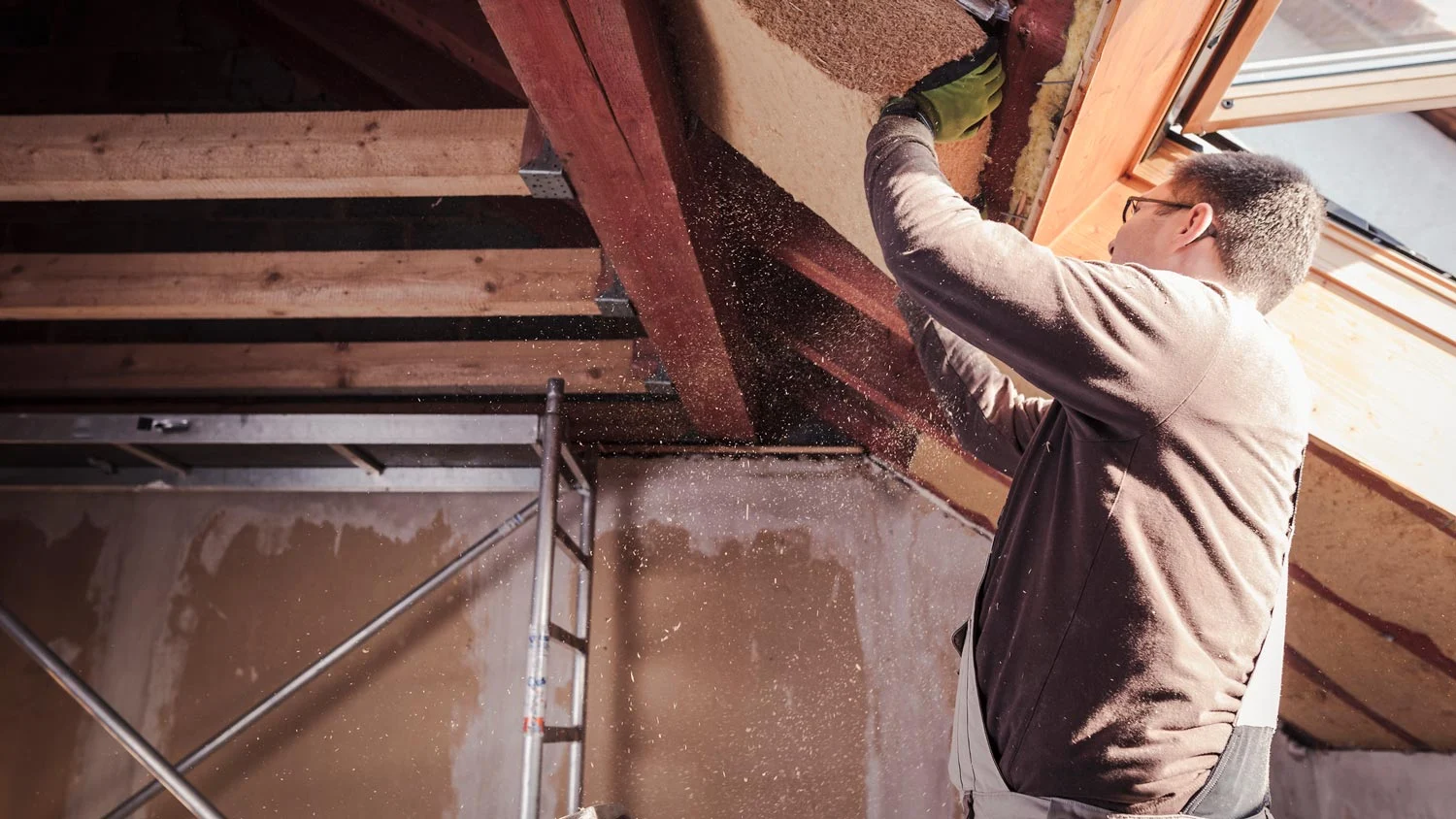
When you invest in new insulation for your home, you expect improved comfort, lower energy bills, and a healthier indoor environment. However, the quality of the installation is just as important as the materials used. A poorly done insulation job can lead to drafts, uneven temperatures, and even moisture problems that could damage your property over time. Knowing how to evaluate the work of your insulation contractor is essential to ensure you get the results you paid for. By understanding the signs of a quality installation, you can protect your investment and enjoy the full benefits of a well-insulated home.
What to Look for in Quality Insulation Work
Signs of Proper Insulation Installation
A well-done insulation job is noticeable in several ways, starting with the overall comfort of your home. After the installation, you should experience more consistent indoor temperatures, with fewer hot or cold spots throughout the house. This is because proper insulation creates a thermal barrier that keeps conditioned air inside and outdoor air out. Another sign is a reduction in your energy bills, as your heating and cooling systems will not have to work as hard to maintain your desired temperature. Additionally, you should notice a decrease in drafts, especially around windows, doors, and attic hatches. If you still feel cold air entering your home or notice rooms that are difficult to keep comfortable, it may indicate that the insulation was not installed correctly or that gaps were left unsealed. Visual inspection can also reveal quality work; insulation should be evenly distributed, with no compressed or missing sections, and should fit snugly around pipes, wires, and other obstacles.
Evaluating Your Contractor’s Workmanship
The workmanship of your contractor plays a crucial role in the effectiveness of your insulation. A reliable contractor will take the time to prepare the area, ensuring that all surfaces are clean and dry before installation begins. They will also address any existing issues, such as moisture or mold, which can compromise the performance of the insulation. During installation, attention to detail is key. Insulation should be installed without gaps, voids, or compression, as these can significantly reduce its effectiveness. The contractor should also ensure that all areas, including hard-to-reach spaces like corners and behind obstructions, are properly insulated. After the job is complete, a trustworthy contractor will walk you through the work, explaining what was done and answering any questions you may have. If you hired an insulation service provider with a reputation for quality, you should expect clear communication, thorough cleanup, and a willingness to address any concerns that arise after the installation.
Common Mistakes to Watch Out For
Even with professional installation, mistakes can happen that compromise the performance of your insulation. One common issue is leaving gaps or voids, especially in attics or crawl spaces where access can be challenging. These gaps allow air to bypass the insulation, reducing its effectiveness and leading to uneven temperatures in your home. Another mistake is compressing the insulation, which can happen if it is stuffed too tightly into cavities or around obstacles. Compressed insulation loses its ability to trap air, which is essential for thermal resistance. Moisture problems are another concern; if insulation is installed in a damp area or without proper vapor barriers, it can absorb moisture and lose its insulating properties. Over time, this can lead to mold growth and structural damage. Finally, failing to properly seal around penetrations such as pipes, vents, and electrical wiring can create pathways for air leakage, undermining the benefits of your new insulation. Being aware of these common mistakes can help you identify potential issues early and ensure your home remains comfortable and energy-efficient.
The Importance of Proper Air Sealing
Proper air sealing is a critical component of any insulation project. Without it, even the highest quality insulation will not perform as intended. Air leaks can occur around windows, doors, electrical outlets, and other penetrations in your home’s envelope. These leaks allow conditioned air to escape and outdoor air to enter, making it harder to maintain a comfortable indoor environment. A good contractor will use caulking, spray foam, or weatherstripping to seal these gaps before installing insulation. This not only improves energy efficiency but also helps prevent moisture intrusion, which can lead to mold and other problems. After the job is complete, you should notice fewer drafts and more stable indoor temperatures, indicating that air sealing was done correctly.
Quick Check: Post-Installation Comfort
After your insulation is installed, pay attention to how your home feels over the next few weeks. If you notice that rooms are more comfortable, with fewer temperature swings and less need for constant heating or cooling, it’s a good sign that the job was done well. Improved comfort is often the first and most noticeable benefit of quality insulation work.
Evaluating your home’s thermal needs often involves checking for drafty areas and uneven indoor temperatures. When these problems persist even after a new installation, homeowners may want to check out additional home performance links or view it now to find local heating and cooling expertise. Aligning your climate systems with updated insulation supports long-term energy savings and improves general indoor comfort.
When your home features balanced temperature regulation, it can lower the daily demands on your heating and cooling equipment. Maintaining this structural balance helps reduce wear on your system while lowering monthly utility bills. If you want to check your equipment setup or need assistance maintaining proper airflow alongside your new barriers, you can Visit our Lake Forest location to connect with experienced cooling technicians.
A thorough evaluation of your home’s envelope often reveals that thermal performance depends on more than just material depth. Beyond checking for gaps or compression, homeowners should consider how integrated systems, like ventilation and climate control, impact the longevity of the install. For those looking to optimize their home’s internal environment, it is helpful to explore Semper Fi Heating and Cooling to understand how proper airflow works in tandem with new attic barriers. Ensuring that these components are synchronized prevents moisture buildup and maximizes energy savings. Professional contractors should always verify that ducts are sealed and vents remain unobstructed before finalizing the job.
When to Call for a Professional Inspection
Sometimes, it can be difficult to determine whether your insulation was installed correctly just by looking or feeling for changes. If you suspect that something is not right, such as persistent drafts, high energy bills, or visible signs of poor installation, it may be time to call for a professional inspection. An independent energy auditor or home inspector can use tools like thermal imaging cameras and blower door tests to identify areas where insulation is lacking or air leaks are present. These assessments provide objective data that can help you address any issues with your contractor and ensure your home is properly insulated. In some cases, your contractor may offer a warranty or guarantee on their work, so do not hesitate to reach out if you have concerns. Addressing problems early can prevent more serious issues down the line and help you get the most out of your investment.
Conclusion
Ensuring that your insulation contractor did a good job is essential for the comfort, efficiency, and longevity of your home. By paying attention to signs such as consistent indoor temperatures, lower energy bills, and the absence of drafts, you can gauge the quality of the installation. Visual inspections and professional assessments can further confirm that the work was done correctly. Remember that proper air sealing and attention to detail are just as important as the insulation material itself. If you have any doubts about the quality of your insulation, do not hesitate to seek a second opinion or request a follow-up from your contractor. Taking these steps will help you enjoy a more comfortable, energy-efficient home for years to come.
