


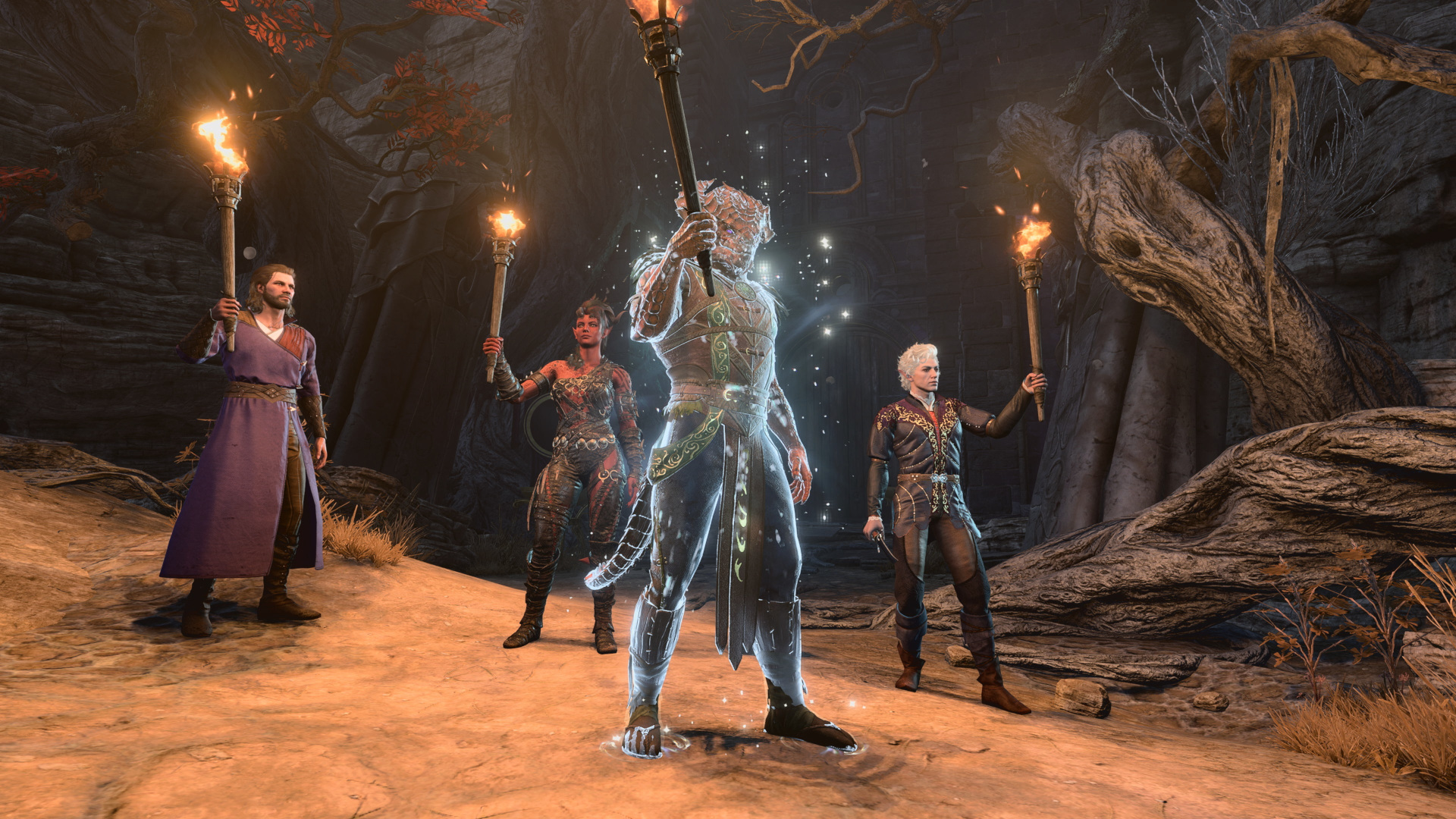
Online situs slot gacor generally fall into two broad experiences: working together toward a shared goal or competing against other players. Both can be incredibly rewarding, but they appeal to different personalities and moods. Some people love the relaxed teamwork of cooperative play, while others thrive on the intensity of competition. Understanding the differences can help you choose games that match your style, your schedule, and the kind of experience you want when you sit down to play.
What Are Co-op Games?
Cooperative games encourage players to team up against computer-controlled challenges. Whether defending a base, exploring a dungeon, or completing missions, everyone shares the same goal. Success depends on communication, teamwork, and complementary skills. Because players are not directly competing against each other, the atmosphere is often friendlier and more relaxed, making co-op games popular among friends and families.
What Are Competitive Games?
Competitive games pit players or teams against each other. Wins and losses are determined by skill, strategy, and decision-making. Ranked ladders, tournaments, and leaderboards add structure and motivation. These games reward practice and improvement, and they offer the thrill of testing yourself against real opponents. The challenge and unpredictability keep many players coming back.
The Social Experience of Co-op Play
Co-op games naturally build friendships. Working together to solve problems creates shared stories and inside jokes. Because the focus is on mutual success, players often support and encourage each other. These games are also good for introducing newcomers, since experienced players can help beginners without the pressure of direct competition.
The Thrill of Competition
Competitive play provides a different kind of excitement. Every match is a new contest, and improvement is clearly measurable. Winning feels especially satisfying when it follows effort and learning. Close matches can be extremely intense, delivering adrenaline and memorable moments. For many players, this sense of challenge is what makes gaming exciting.
Skill Development in Each Style
Both styles help develop useful skills. Cooperative games strengthen communication, planning, and role coordination. Competitive games encourage adaptability, quick decision-making, and resilience after setbacks. Many players find that experience in one style improves their performance in the other, since teamwork and strategic thinking are valuable in both.
Stress Levels and Mood
Co-op games are often easier to enjoy when you are tired or want to relax. Competitive games can be more stressful, especially in ranked modes where results matter. This does not mean competitive games are unhealthy, but it helps to choose them when you are in the right mindset. Matching games to your mood can improve enjoyment significantly.
Time Commitment
Many co-op games allow flexible sessions, such as completing a short mission or exploring for an hour. Competitive games may require longer sessions to improve rank or practice skills. Some players prefer short, casual matches, while others enjoy dedicating time to mastery. Consider how much time you realistically have when picking games.
Hybrid Games That Offer Both
Many modern titles blend cooperative and competitive elements. Team-based modes involve cooperation within a team while competing against another. Some games offer both player-versus-environment and player-versus-player options. Hybrid experiences let you switch between relaxed teamwork and intense competition depending on your mood.
Final Thoughts
There is no single best type of online slot . Co-op games offer relaxed teamwork and shared achievement, while competitive games deliver challenge and measurable growth. The best choice depends on your personality, available time, and what you want from each play session. Try both styles, notice how each makes you feel, and enjoy the variety that online gaming provides.
