


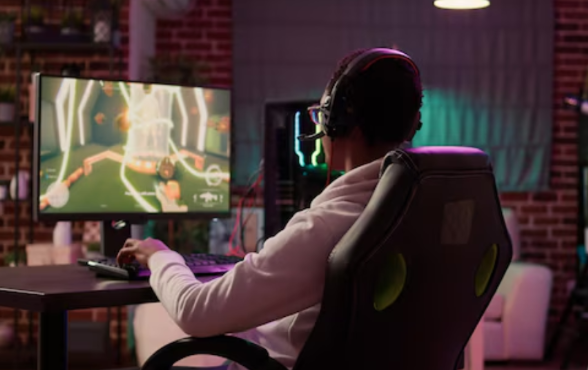
Digital entertainment has changed dramatically over the past decade. People once relied mainly on television, movies, music, and traditional video games for leisure. Today, online gaming sits alongside these formats as one of the most visible parts of everyday digital culture.
What makes online gaming different is that it combines several forms of entertainment at once. A game can offer visual storytelling, competition, social interaction, live events, rewards, and constant updates within a single digital environment. This combination has helped online gaming move from a niche hobby into a major entertainment category.
Gaming Is No Longer Limited to Dedicated Players
Online gaming once required a console, gaming computer, or specialist knowledge. That barrier has gradually disappeared.
Mobile Devices Expanded the Audience
Smartphones have played a major role in making gaming more accessible. People no longer need expensive hardware or long periods of free time to play. A mobile game can be opened during a commute, lunch break, or quiet evening at home.
This accessibility has introduced gaming to people who may never have described themselves as traditional gamers. Puzzle games, strategy titles, multiplayer experiences, online slots, sports games, and casual mobile apps now appeal to very different audiences.
As a result, gaming has become part of everyday digital behaviour rather than an activity reserved for a particular group.
Browsers and Apps Made Access Faster
Modern online games can often be accessed almost immediately. App stores, web browsers, cloud services, and digital accounts have reduced many of the technical steps that previously stood between a player and a game.
This convenience matters because modern entertainment competes heavily for attention. People expect videos to load quickly, music to stream instantly, and games to offer a similarly smooth experience.
Online Gaming Combines Several Forms of Entertainment
One reason gaming has become so central is that it rarely operates as a single-purpose activity anymore.
Games Now Include Storytelling, Music, and Visual Design
Many digital games borrow techniques from cinema, television, animation, and music. Developers use detailed environments, character development, soundtracks, lighting, voice acting, and special effects to create richer experiences.
Even simpler formats increasingly depend on strong presentation. Online slot games, for example, may use animation, themed symbols, sound effects, interactive bonus features, and carefully designed interfaces to create entertainment around the basic reel mechanic.
Players exploring platforms such as https://pg123.net/ can see how modern online gaming interfaces bring visual design, navigation, game selection, and interactive features together within one digital environment.
Live Elements Keep Experiences Fresh
Unlike many traditional forms of entertainment, online games can continuously change.
Developers can introduce seasonal events, new levels, characters, game modes, competitions, challenges, or visual themes. Some games even change their content around holidays or major events.
This ability to update the experience gives players reasons to return without requiring an entirely new game.
Social Interaction Changed the Meaning of Playing
Online gaming has also become more social.
Players Can Share Experiences in Real Time
Multiplayer games allow friends and strangers to communicate, compete, cooperate, and celebrate achievements together. Voice chat, messaging, teams, clans, leaderboards, and shared missions turn gaming into a form of digital social interaction.
For many players, the people they meet or play with can become just as important as the game itself.
This social element separates gaming from entertainment formats where audiences mainly watch or listen. Players participate directly and often influence what happens next.
Streaming Expanded Gaming Beyond Players
Gaming audiences now include large numbers of people who watch rather than play.
Livestreaming platforms, video channels, esports competitions, tutorials, reviews, and gaming communities have created an entertainment ecosystem around games themselves. A popular title can generate millions of hours of content beyond the original game.
This means one game can function simultaneously as something to play, watch, discuss, and share.
Technology Keeps Expanding What Online Games Can Do
The growth of online gaming is closely connected with improvements in digital technology.
Faster Connections Support More Complex Experiences
Better internet connections have made multiplayer environments, live gaming, large downloads, real-time updates, and cloud-based services more practical.
At the same time, smartphones and computers have become powerful enough to display detailed graphics and animations that would once have required dedicated gaming systems.
These improvements have allowed developers to create experiences that are more visually sophisticated without making access unnecessarily complicated.
Cloud Technology Could Reduce Hardware Dependence
Cloud gaming takes this development further by processing parts of a game remotely and streaming the experience to the player.
Although the technology continues to develop, its long-term appeal is clear. Players may increasingly be able to access demanding games without owning the most powerful hardware available.
That could make gaming even more accessible across televisions, tablets, laptops, and mobile devices.
Gaming Fits the Interactive Nature of Modern Media
Perhaps the biggest reason online gaming has become central to digital entertainment is participation.
People increasingly expect digital media to respond to them. Social media allows users to comment and create. Streaming platforms provide personalised recommendations. Interactive apps respond instantly to individual choices.
Gaming naturally fits this environment because participation has always been its defining feature.
Players do not simply observe a story or experience. They make decisions, complete challenges, choose strategies, explore environments, and influence outcomes.
The Boundaries of Digital Entertainment Are Disappearing
Gaming, streaming, social media, music, sports, and online communities are becoming increasingly connected.
A game can launch a soundtrack, inspire a streaming series, host a virtual event, support competitive tournaments, or generate communities across social platforms. At the same time, entertainment brands increasingly use game-like experiences to reach audiences.
Online gaming therefore represents more than another digital pastime. It reflects how entertainment itself is changing.
As technology, connectivity, and interactive media continue to develop, gaming is likely to remain at the center of that transformation because it brings together participation, creativity, community, and digital technology in ways few other entertainment formats can match.
